
Biltmore Forest, NC: A Buyer’s Guide to the Town Beside Asheville
Biltmore Forest sits just south of downtown Asheville, between the city, the Biltmore Estate and the Blue Ridge Parkway. Its winding, tree-lined roads and generous lots make it one of the most sought-after addresses in the area.
Many people describe it as an Asheville neighborhood. It is actually its own town, incorporated in 1923, with its own government, services and rules. That distinction shapes what it is like to buy, own and improve a home there, so it is worth understanding before you begin a search.
A Separate Town Beside Asheville
The Town of Biltmore Forest is governed by a mayor and Board of Commissioners, with a town manager overseeing daily operations. The town provides its own police department, public works, street maintenance, water service and sanitation. Sewer service is provided through the Metropolitan Sewerage District of Buncombe County, with billing handled by the Town. Town of Biltmore Forest.
Some services work differently from what buyers expect in the city. The Town’s published guidance describes garbage collection from the back yard of each home, recycling every two weeks, and loose leaf collection at the roadside from November 1 through January 15.
Property taxes also arrive as two bills. Buncombe County appraises the property and mails its own tax bill, and the Town mails a separate town tax bill, typically around the end of August or early September. Town of Biltmore Forest frequently asked questions.
How Biltmore Forest Began
The town grew out of the Biltmore Estate. In August 1920, the Biltmore Estate Company was formed to purchase about 1,450 acres just south of the Estate along Hendersonville Road for a planned residential development. Chauncey D. Beadle, the Estate’s head landscaper, laid out the roads “following the lay of the land” and oversaw the landscaping. The North Carolina General Assembly incorporated the Town of Biltmore Forest on February 14, 1923. Town of Biltmore Forest historical findings.
A golf course was among the first amenities. Biltmore Forest Country Club, with a course designed by Donald Ross, opened on July 4, 1922, and later hosted the 1999 U.S. Women’s Amateur. Asheville Area Chamber of Commerce.
What the Homes and Lots Are Like
Biltmore Forest is predominantly low-density residential, and most parcels are zoned R-1. The original development plans called for lots of two to five acres, and the Town’s guidance still sets generous setbacks: in R-1, homes sit at least 60 feet from the front property line, 20 feet from the sides and 25 feet from the rear.
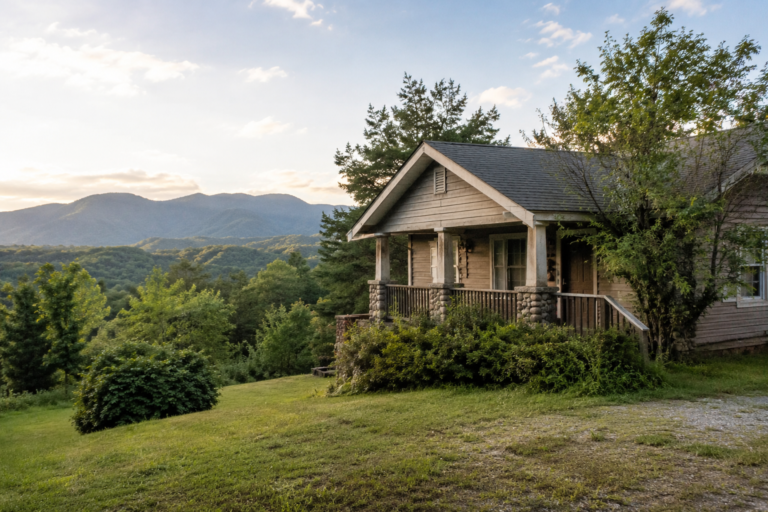
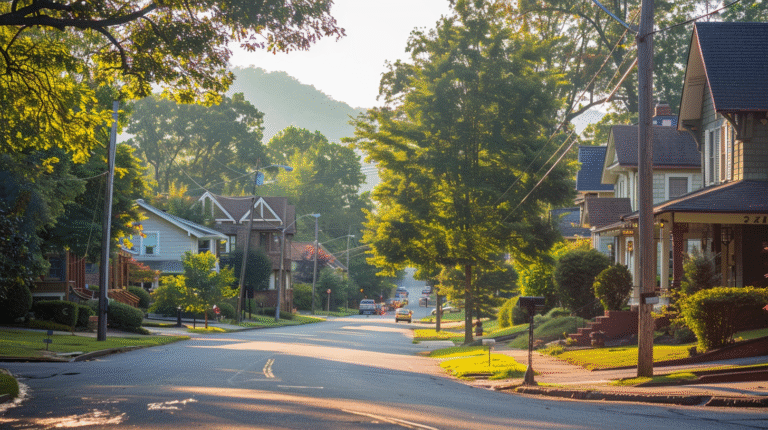
The result is a town of mature trees, quiet roads and homes set well back from the street. Housing spans the town’s early decades through recent construction, so age, condition and past renovations vary widely from one property to the next.
Town Rules That Shape Ownership
Owning a home in Biltmore Forest comes with more oversight than many buyers expect. The table below summarizes the Town’s published guidance.
| Topic | What the Town’s guidance says |
|---|---|
| New homes, additions and exterior changes | Reviewed by the five-member Design Review Board, along with accessory buildings and driveway redesigns |
| Accessory buildings | Conditional use permit required; one per lot, behind the house, with a maximum 750 square feet of roof coverage and 25 feet of height |
| Pools, fences, walls and playsets | Conditional use permit required; fences allowed only in approved locations, and chain link is not allowed |
| Trees | Removing a protected tree (six inches in diameter or more) needs the Town Manager’s approval; removing more than ten needs the Board of Adjustment |
| Construction hours | 7:30 a.m. to 6:00 p.m., Monday through Saturday, with no work on Sundays or major holidays |
| Recreational vehicles and trailers | Storage is not permitted |
This summary comes from the Town’s frequently asked questions guide, which dates from around 2019 and noted that fence rules were then under review. Ordinances change, so confirm current requirements with the Town’s zoning administrator before you plan a purchase around a renovation, pool, fence or tree removal. Town of Biltmore Forest guidance.
What to Evaluate Before You Buy
Price per square foot alone says little in Biltmore Forest. A smaller home on a well-sited lot and a larger home on a constrained one can offer very different value. Before you make an offer, look closely at:
- Lot and setbacks: whether the lot leaves room for the additions, garage, pool or outdoor space you have in mind.
- Review and permits: whether your plans will need Design Review Board review or a conditional use permit, and how that affects your timeline.
- Trees: which mature trees are protected, and how they affect light, views and upkeep.
- Two tax bills: the combined Town and County tax cost.
- Condition: the age of the roof, systems and windows, and the quality of past renovations.
- Comparable sales: completed sales within Biltmore Forest itself, rather than nearby Asheville neighborhoods.
Buying or Selling in Biltmore Forest with Landon Key Realty
Landon Key Realty represents buyers and sellers in Biltmore Forest and across Asheville’s luxury real estate market. Owner Heather Hines brings Certified Luxury Home Marketing Specialist training to luxury listings.
For a wider view of the area, explore our Asheville area neighborhoods, or compare Biltmore Forest with city living in our guide to the types of luxury real estate in downtown Asheville. When you are ready, contact our team to talk through the properties and questions that matter to you.
Frequently Asked Questions About Biltmore Forest
Is Biltmore Forest part of Asheville?
No. Biltmore Forest is a separate town, incorporated in 1923, with its own mayor, Board of Commissioners, police department and services. It borders Asheville but has its own zoning and permitting.
Do I need approval to renovate or build?
Usually, yes. The Town’s guidance says new homes, exterior additions and modifications, accessory buildings and driveway changes are reviewed by the Design Review Board, and a zoning compliance permit is required for additions or modifications to any structure.
Can I remove trees on my property?
Not without approval. Removing a protected tree, six inches in diameter or more, needs the Town Manager’s approval, and removing more than ten trees requires the Board of Adjustment.
Does buying a home include country club membership?
Biltmore Forest Country Club is a private club. Ask the club directly about membership rather than assuming it comes with a home purchase.
Information reviewed October 29, 2026 from the Town of Biltmore Forest’s published guidance and other public sources. Town rules change; confirm current requirements with the Town before relying on them.